

Does Jesus have two wills?
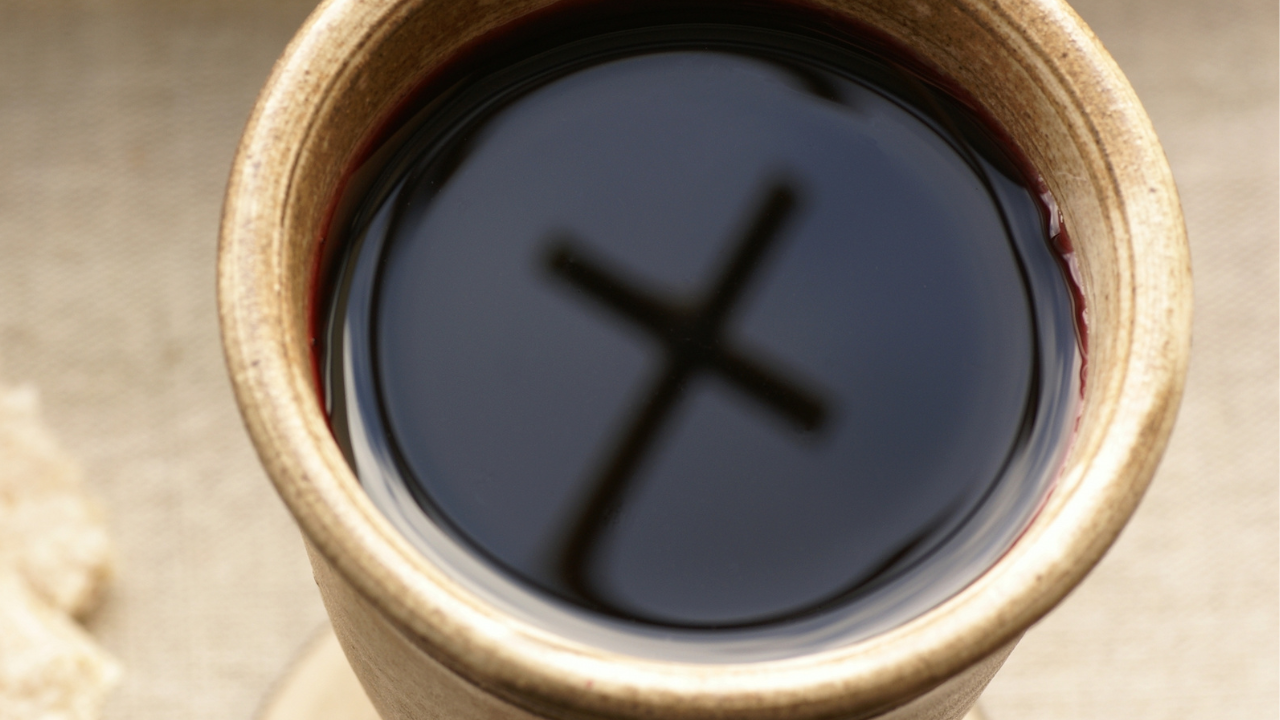
Mark 14:35–36, “And going a little farther, He fell on the ground and prayed that, if it were possible, the hour might pass from Him. And He said, ‘Abba, Father, all things are possible for you. Remove this cup from Me. Yet not what I will, but what You will.’” (ESV)
In the Garden of Gethsemane, we see a scene that is deeply moving, but also slightly confusing for us as Christians. In this moment of earnest prayer before His crucifixion, Christ resigns His will to submit to the will of God the Father, this will understandably leave some asking, “how can Jesus submit His will to the Father’s will if they are both God? Does the Trinity have disagreements?” Before we follow that line of thinking to a multitude of heresies, however, let’s pause and examine how Jesus is able to submit His will to the Father’s will without there being any disagreement in the divine will of the Trinity. Simply put, Jesus has two wills.
Wait, Jesus has two wills?
In short, yes. Let’s examine how that works.
Jesus’ unique nature.
Jesus is the perfect unity of divinity and humanity in one person. His two natures are both complete, meaning that He is not less divine than the other members of the Godhead, and He is not less human than you or I. Consider these three statements about Christ from Scripture:
- “In the beginning was the Word, and the Word was with God, and the Word was God.” (John 1:1) - Fully God.
- “And the Word became flesh and dwelt among us, and we have seen His glory, glory as of the only Son from the Father, full of grace and truth.” (John 1:14) - Fully human.
- “For in Him all the fullness of God was pleased to dwell.” (Colossians 1:19) - Fully God and fully man unified.
Fully God. Fully Man.
For a nature to be complete, it must possess all aspects that would normally exist in that nature. If I told you that I had a complete puzzle except for one piece, you would rightly point out that the puzzle was not truly complete without that piece. In the same way, it would be impossible to say that Jesus possesses both a full human nature and a full divine nature if He lacked qualities of either nature, including a will.
Jesus, therefore, as the perfect unity of full humanity and full deity possesses both a full divine will and a full human will. Both of these wills are exercised in the person of Christ without any contradiction or division of the divine and human natures.
Back to the Garden
This brings us back to the garden in Mark 14 with Jesus surrendering His will to God the Father. Understanding His two wills, we can see that Jesus is not surrendering His divine will to God the Father, because the Triune God operates in perfect unity at all times from eternity past to eternity future. Instead, Jesus is surrendering His human will, with its natural desire for self preservation from torture and death, to the ordained will of the Godhead (including Jesus Himself, see John 10:17-18).
The incredible reminder here is that Jesus humbly accepted the cross with both of His wills perfectly united. He was not forced into it against His wishes, rather, He chose it for His people. Let’s follow His example and seek to submit our human wills fully to the will of God for our lives!
Romans 12:2, “Do not be conformed to this world, but be transformed by the renewal of your mind, that by testing you may discern what is the will of God, what is good and acceptable and perfect.”